PRP Therapy
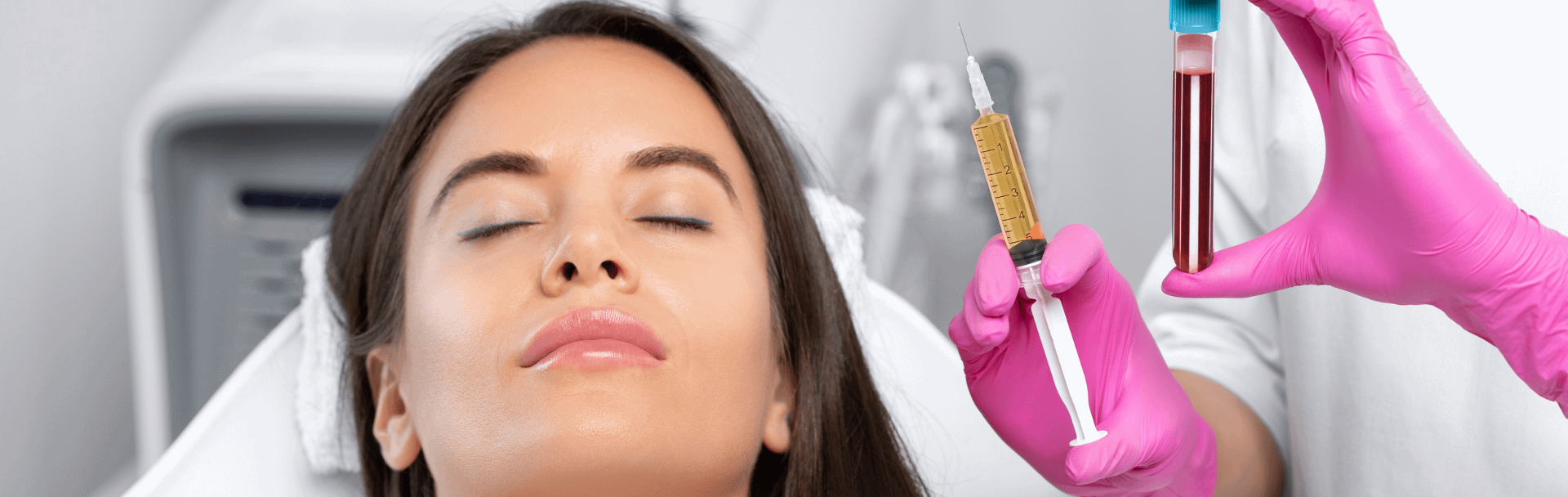
Platelet-rich plasma (PRP) therapy is a regenerative treatment that utilizes the body’s own healing properties to address various cosmetic and medical concerns. During the procedure, a small amount of the patient’s blood is drawn and centrifuged to separate the platelet-rich plasma from other components. The concentrated PRP, which contains growth factors and cytokines, is then injected into targeted areas to stimulate tissue regeneration, collagen production, and healing.
PRP therapy has diverse applications across different medical and aesthetic fields. In aesthetic medicine, it is commonly used for facial rejuvenation, hair
restoration, and improving the appearance of scars, wrinkles, and fine lines. In orthopedics and sports medicine, PRP therapy is utilized to treat musculoskeletal injuries, osteoarthritis, and tendonitis, promoting tissue repair and reducing inflammation.
Benefits

Tissue Regeneration: PRP contains growth factors and cytokines that stimulate tissue repair and regeneration, promoting the body’s natural healing processes. It can accelerate wound healing, repair damaged tissues, and improve overall tissue quality.
Facial Rejuvenation: PRP therapy can improve skin texture, tone, and elasticity by stimulating collagen production and enhancing blood flow to the skin. It can reduce the appearance of wrinkles, fine lines, and scars, resulting in a more youthful and radiant complexion.
Hair Restoration: PRP therapy is used to stimulate hair growth and thicken hair follicles in individuals experiencing hair loss or thinning. It can increase hair density, improve hair thickness, and prolong the hair growth cycle, leading to fuller and healthier-looking hair.
Joint and Musculoskeletal Health: PRP therapy is commonly used in orthopedics and sports medicine to treat musculoskeletal injuries, osteoarthritis, tendonitis, and other joint-related conditions. It can reduce pain, inflammation, and stiffness, and promote tissue repair and regeneration in damaged joints and tissues.
Minimal Risk of Allergic Reactions: Since PRP is derived from the patient’s own blood, there is minimal risk of allergic reactions or adverse effects. It is a safe and natural treatment option for individuals seeking regenerative therapies.
Non-Surgical Approach: PRP therapy is minimally invasive and typically performed as an outpatient procedure. It avoids the need for surgery, lengthy recovery times, and potential complications associated with more invasive treatments.
Customized Treatment: PRP therapy can be customized to meet the individual needs and goals of each patient. Treatment protocols, including the concentration of platelets and the number of injections, can be tailored based on the specific condition being treated and the patient’s response to therapy.
Long-lasting Results: While results may vary depending on the individual and the condition being treated, many patients experience long-lasting benefits from PRP therapy. Multiple treatment sessions may be required to achieve optimal results, and maintenance treatments can help sustain the effects over time.
Specific Treatment Areas

Facial Rejuvenation: PRP injections can be used to improve skin texture, tone, and elasticity, reducing the appearance of wrinkles, fine lines, and scars on the face. It stimulates collagen production and enhances blood flow to the skin, resulting in a more youthful and radiant complexion.
Hair Restoration: PRP therapy is commonly used to promote hair growth and thicken hair follicles in individuals experiencing hair loss or thinning. It can be injected into the scalp to stimulate hair follicles, increase hair density, and improve hair thickness and quality.
Joint Injuries and Arthritis: PRP injections can be used to treat musculoskeletal injuries, osteoarthritis, tendonitis, and other joint-related conditions. It can reduce pain, inflammation, and stiffness in affected joints, promote tissue repair and regeneration, and improve overall joint function and mobility.
Tendon and Ligament Injuries: PRP therapy is effective in treating tendon and ligament injuries, such as tennis elbow, Achilles tendonitis, and rotator cuff tears. It can accelerate the healing process, strengthen damaged tissues, and reduce the risk of recurrent injuries.
Scalp and Skin Conditions: PRP therapy can be beneficial for treating scalp conditions, such as alopecia areata and male pattern baldness, as well as skin conditions, such as acne scars and stretch marks. It stimulates cell growth and repair, improves skin texture and appearance, and enhances overall skin health.
FAQ
What conditions can PRP therapy treat?
PRP therapy can be used to treat a variety of medical and aesthetic conditions, including musculoskeletal injuries (such as tendonitis, ligament injuries,
and osteoarthritis), hair loss, skin rejuvenation, and certain oral and dental procedures.
How long does a PRP therapy session take?
The duration of a PRP therapy session can vary depending on the treatment area and the specific condition being treated. Typically, the entire process, including blood extraction, processing, and injection, can take about 30 to 60 minutes.
How many PRP sessions are needed?
The number of PRP therapy sessions required depends on the individual patient, the severity of the condition being treated, and the desired outcome. In many cases, multiple sessions spaced several weeks apart may be recommended to achieve optimal results.
When will I see results from PRP therapy?
Results from PRP therapy are not immediate and may take several weeks to months to become noticeable. The timeline for results varies depending on the specific condition being treated and the body’s natural healing process.
Are there any restrictions after PRP therapy?
Patients may be advised to avoid strenuous activities, sun exposure, and certain medications or supplements for some time after PRP therapy.
It’s essential to follow your healthcare provider’s post-treatment instructions carefully to optimize results and minimize complications.