Iron deficiency is a condition that occurs when your body lacks enough iron to produce hemoglobin, the protein in red blood cells responsible for carrying oxygen to your tissues. Iron is an essential mineral that plays a vital role in various bodily functions, including maintaining energy levels, immune system support, and overall well-being. When iron levels are low, it can lead to iron deficiency anemia, the most common type of anemia worldwide.
Causes of Iron Deficiency
Several factors can contribute to iron deficiency, including:
- Inadequate Dietary Intake: Consuming too little iron-rich food, especially in diets lacking meat, seafood, or leafy greens, can lead to deficiency over time.
- Blood Loss: Heavy menstrual cycles, gastrointestinal bleeding, ulcers, or surgeries can cause significant blood loss, depleting the body’s iron stores.
- Increased Need for Iron: Pregnant women, growing children, and athletes may require more iron due to the demands placed on their bodies.
- Poor Absorption: Conditions such as celiac disease, Crohn’s disease, or certain medications can interfere with iron absorption in the intestines.
Symptoms of Iron Deficiency
Iron deficiency often develops slowly, so symptoms may go unnoticed at first. As the deficiency worsens, signs and symptoms become more pronounced, including: - Fatigue and Weakness: Feeling constantly tired is one of the most common signs of iron deficiency as your body struggles to get enough oxygen.
- Pale Skin: A decrease in hemoglobin causes the skin to lose its natural color, making it appear pale or washed out.
- Shortness of Breath: Without enough oxygen circulating through the body, even light physical activity can make you feel winded.
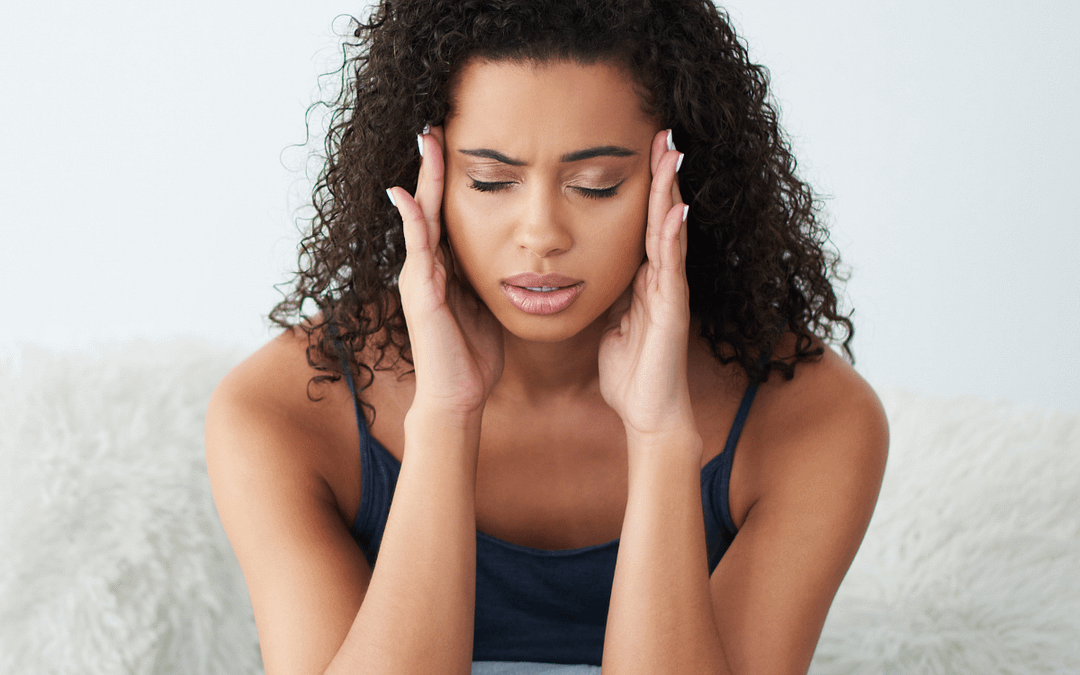
- Headaches and Dizziness: A lack of oxygen to the brain can result in frequent headaches or feelings of lightheadedness.
- Cold Hands and Feet: Poor circulation due to reduced red blood cells can lead to cold extremities.
- Brittle Nails and Hair Loss: Weak and easily breakable nails, as well as excessive hair shedding, can be related to low iron levels.
- Unusual Cravings: Some people with iron deficiency may crave non-nutritive substances such as ice, dirt, or starch (a condition known as pica).
How is Iron Deficiency Diagnosed and Treated?
Iron deficiency can be diagnosed through blood tests measuring hemoglobin, serum ferritin, and other iron-related markers. Ferritin levels below 30 µg/L are indicative of depleted iron stores.
Treatment for iron deficiency focuses on replenishing your body’s iron stores and addressing the underlying cause of the deficiency.
- Increase Iron Intake Through Diet
One of the easiest ways to boost your iron levels is by incorporating iron-rich foods into your diet. There are two types of dietary iron:
• Heme iron, found in animal products such as red meat, poultry, and fish, is more easily absorbed by the body.
• Non-heme iron, found in plant-based foods like spinach, lentils, beans, and fortified cereals, is less readily absorbed but still valuable.
To enhance the absorption of non-heme iron, consume it with foods rich in vitamin C, such as citrus fruits, strawberries, or bell peppers. - Iron Supplements
If your diet alone isn’t sufficient to raise your iron levels, your doctor may recommend iron supplements. These are available in various forms, such as ferrous sulfate, ferrous gluconate, or ferrous fumarate. It’s important to follow your healthcare provider’s instructions when taking supplements, as excessive iron can lead to toxicity. - Treating the Underlying Cause
If iron deficiency is due to an underlying medical condition like gastrointestinal bleeding, heavy menstruation, or absorption issues, treating these conditions is essential for long-term recovery. Your doctor may perform tests to identify and manage these causes. - Intravenous Iron Therapy
In severe cases, especially if iron deficiency anemia is not responding to oral supplements or the body cannot absorb iron properly, intravenous (IV) iron therapy may be recommended. This allows the iron to be delivered directly into the bloodstream for faster results.
Prevention of Iron Deficiency
To prevent iron deficiency, ensure your diet is well-balanced with adequate iron intake. If you are in a high-risk group, such as pregnant women or vegetarians, it may be helpful to have regular blood tests to monitor your iron levels. Including vitamin C-rich foods in your meals and minimizing factors that hinder iron absorption, like excessive caffeine intake, can also aid in prevention.
Iron deficiency is a common but treatable condition that can significantly impact your quality of life. Understanding the symptoms and causes of iron deficiency is the first step towards managing it effectively. By incorporating iron-rich foods into your diet, using supplements when needed, and addressing any underlying health conditions, you can restore your energy levels and overall well-being. If you suspect you might be iron deficient, don’t hesitate to reach out to your healthcare provider for evaluation and guidance.
https://www.mayoclinic.org/diseases-conditions/iron-deficiency-anemia/symptoms-causes/syc-20355034
https://acinoedudoc.com/wp-content/uploads/2020/08/2016-Smit-et-al-The-iron-status-of-a-healthy-South-African-adult-population.pdf
https://scielo.org.za/scielo.php?script=sci_arttext&pid=S0256-95742008000800015#:~:text=Of%20the%20subjects%20with%20possible,’%20non%2Dpregnant%20urban%20women
https://pubmed.ncbi.nlm.nih.gov/34886524/