Many patients say the same thing:
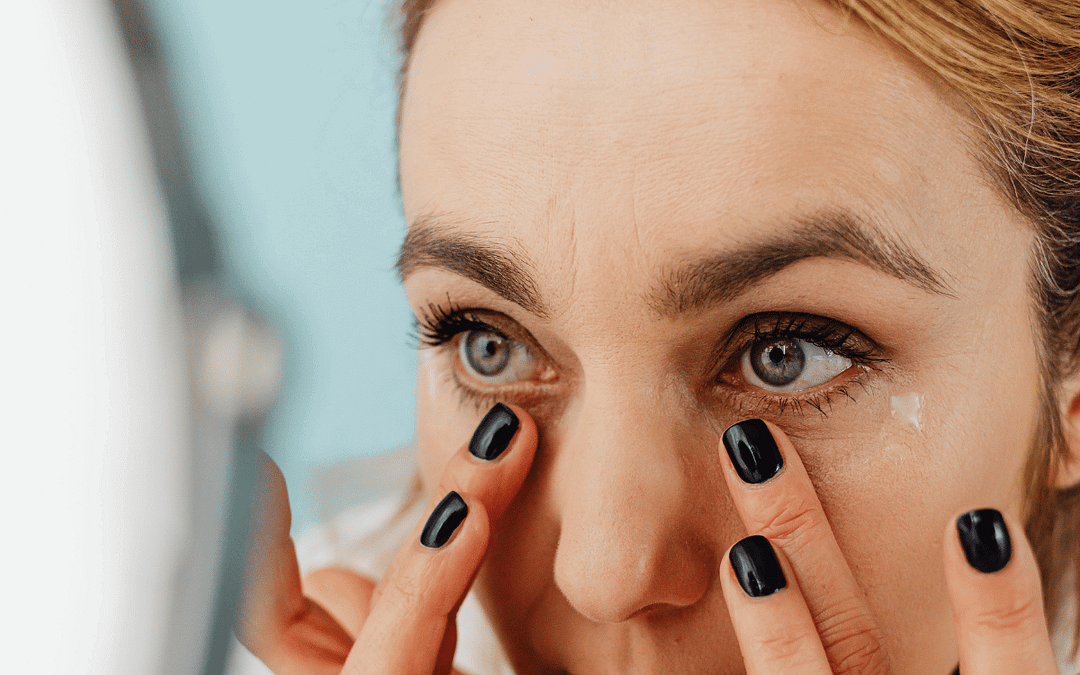
“I feel fine, but my eyes make me look tired.”
The truth is, the eye area is usually the first place to show signs of aging — often before wrinkles appear anywhere else on the face. Understanding why this happens is key to choosing treatments that actually work (and avoiding those that don’t).
Why the Eye Area Ages Faster Than the Rest of the Face
1. The Skin Is Thinner
The skin around the eyes is up to 40% thinner than the rest of the face. This means:
- Less collagen and elastin
- Faster moisture loss
- Earlier fine lines and crepiness
As collagen declines with age, thin skin shows damage sooner.
2. Constant Muscle Movement
Blinking, squinting, smiling — the eye area is in constant motion. Over time, repeated movement leads to:
- Fine lines (crow’s feet)
- Wrinkles that become permanent
- Loss of skin elasticity
3. Early Volume Loss
As we age, fat pads under the eyes shrink and shift, causing:
- Hollowing
- Tear troughs
- A sunken or tired appearance
This volume loss often starts earlier around the eyes than in other facial areas.
4. Reduced Circulation & Pigmentation
Poor circulation and thinning skin make blood vessels more visible, contributing to:
- Dark circles
- Blue or purple tones
- Shadowing under the eyes
5. Lifestyle & Environmental Stress
Sleep deprivation, stress, screen time, sun exposure, and allergies all accelerate aging around the eyes — often without us realising it.
For more on sun-related skin aging, visit the Skin Cancer Foundation:
👉 https://www.skincancer.org
Why Eye Creams Alone Aren’t Enough
Topical eye creams can:
✔️ Hydrate
✔️ Temporarily smooth fine lines
✔️ Improve texture
But they cannot:
✖️ Replace lost volume
✖️ Stimulate deep collagen production
✖️ Correct structural aging
This is why many people feel frustrated when eye creams stop “working.”
What Actually Works for Eye Rejuvenation
1. Skin Boosters & Regenerative Treatments
Treatments such as NCTF, polynucleotides, PRP, and biostimulators help:
- Improve skin quality
- Hydrate thin under-eye skin
- Stimulate collagen over time
- Reduce crepiness and fine lines
These treatments work with your skin, not against it.
2. Targeted Volume Support (When Appropriate)
In carefully selected patients, subtle volume support can:
- Restore tear troughs
- Reduce shadowing
- Improve under-eye structure
This must be done conservatively and by an experienced medical professional to avoid overfilling.
3. Muscle Relaxation for Crow’s Feet
Low-dose anti-wrinkle treatments around the eyes can:
- Soften expression lines
- Prevent deeper wrinkles
- Maintain natural movement
The goal is relaxed, not frozen.
4. A Layered, Personalised Approach
The most successful eye rejuvenation plans combine:
- Skin quality treatments
- Collagen stimulation
- Muscle balance
- Lifestyle optimisation
This layered strategy produces natural, long-lasting results.
You can learn more about personalized aesthetic planning on our website.
Why Early Intervention Matters
Treating the eye area early doesn’t mean doing more — it means:
✔️ Using lower doses
✔️ Preserving skin quality
✔️ Preventing advanced aging
✔️ Achieving better long-term results
Preventative care always ages better than corrective treatments.
Final Thoughts: Treat the Eyes With Precision
The eye area doesn’t need aggressive treatments — it needs precision, patience, and a tailored plan.
If your eyes look tired, hollow, or aged despite good skincare, it may be time to look beyond creams and focus on treatments that support skin health from within.
Ready to Refresh the Eye Area?
A personalized consultation is the first step to natural, rested-looking eyes — without overdoing it.