What Is Preventative Botox?
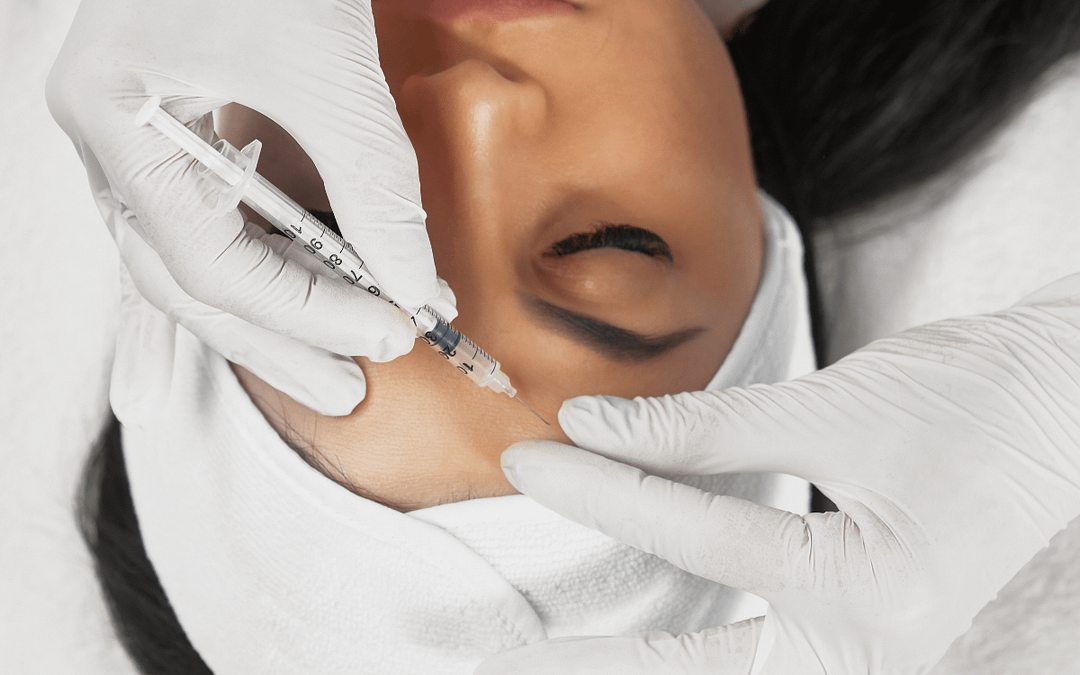
Preventative Botox refers to using small, strategic doses of botulinum toxin before deep wrinkles form. Instead of correcting static lines later, the goal is to prevent them from becoming permanently etched into the skin.
Botox works by relaxing targeted facial muscles that cause repetitive movements — like frowning, squinting, or raising your eyebrows. Over time, these repeated expressions create dynamic lines that can eventually become static wrinkles.
By softening these movements early, preventative Botox helps preserve smoother skin for longer.
When Should You Start Preventative Botox?
There isn’t a “magic age” to begin. The right time depends on:
- Your genetics
- Your facial expressions
- Skin thickness and elasticity
- Sun exposure history
- Lifestyle factors (stress, smoking, sleep)
For many patients, preventative Botox begins in their mid-to-late 20s or early 30s — often when dynamic lines are visible during expression but not yet present at rest.
If you’re asking, “Should I start?” it’s usually because you’re noticing early movement lines forming.
Botox in Your 20s vs 30s: What’s the Difference?
In Your 20s
- Focus is purely preventative
- Very small doses
- Targets early frown lines or forehead movement
- Goal: delay deep wrinkle formation
In Your 30s
- Combines prevention and mild correction
- May require slightly higher doses
- Supports collagen preservation
Starting earlier often means using less product over time — because you’re maintaining, not chasing.
How Preventative Botox Changes the Aging Trajectory
Aging doesn’t happen overnight. It’s gradual — and influenced by muscle movement, collagen decline, bone changes, and sun exposure.
Preventative Botox helps by:
✔ Reducing repetitive muscle strain on the skin
✔ Slowing the development of static lines
✔ Allowing collagen to degrade more slowly
✔ Keeping facial movements soft and natural
Think of it as “compound interest” for your skin. Small, consistent treatments can delay more aggressive correction later.
Does Preventative Botox Look Frozen?
This is one of the biggest myths.
When performed strategically by a qualified medical practitioner, preventative Botox:
- Maintains natural expression
- Uses lower doses
- Focuses on softening — not eliminating — movement
The goal isn’t to look different.
It’s to look like yourself — longer.
How Often Do You Need Preventative Botox?
Most patients require treatment every 3–6 months, depending on:
- Muscle strength
- Metabolism
- Treatment area
- Dosage used
Consistency matters more than frequency. Skipping appointments entirely may allow muscle memory to return.
Is Preventative Botox Safe?
Botulinum toxin has been extensively studied and used safely for decades in both medical and aesthetic settings. According to the American Society of Plastic Surgeons, Botox remains one of the most commonly performed non-surgical cosmetic procedures worldwide.
(Source: https://www.plasticsurgery.org)
When administered by a qualified medical doctor, preventative Botox is considered safe and effective.
Who Is a Good Candidate?
You may benefit from preventative Botox if:
- You notice fine lines when making expressions
- You have strong facial movement
- You want subtle, long-term maintenance
- You prefer prevention over correction
A consultation is essential to assess muscle movement and facial anatomy before treatment.
Preventative Botox vs Other Anti-Aging Treatments
Botox is just one part of an overall anti-aging strategy.
For optimal results, preventative Botox can be paired with:
- Skin boosters for hydration
- Biostimulators for collagen support
- Daily SPF for UV protection
- A consistent medical-grade skincare routine
Aging is multi-layered — your approach should be too.
Final Thoughts: Is It Worth Starting Early?
Preventative Botox isn’t about chasing youth. It’s about maintaining skin quality and facial balance over time.
Starting at the right time — not too early, not too late — can mean:
- Less product long-term
- More natural results
- Slower wrinkle progression
- Greater control over how you age
The key is strategic planning with a qualified practitioner who understands facial anatomy and long-term aesthetics.