When it comes to our health, prevention is always better than cure. One of the most effective ways to ensure long-term well-being is through regular health screenings. These routine check-ups play a vital role in preventive healthcare, allowing you to catch potential health issues early and take proactive steps toward better health. But what exactly are health screenings, and why are they so crucial for your long-term health?
What Are Health Screenings?
Health screenings are routine tests conducted by healthcare professionals to assess your overall health and detect any potential health problems before they become more serious. These screenings can vary depending on age, gender, and individual risk factors. Common screenings include blood pressure checks, cholesterol tests, cancer screenings (like mammograms or colonoscopies), and diabetes tests, among others.
Why Are Regular Health Screenings Important?
Regular health screenings are essential for several key reasons:
1. Early Detection of Health Issues
One of the most significant benefits of health screenings is early detection. Many health problems, such as high blood pressure, diabetes, and certain cancers, can develop slowly over time without noticeable symptoms. Routine screenings can help detect these issues in their early stages, often before you experience any physical signs. Early detection allows for timely intervention, which can make a significant difference in the success of treatments and long-term outcomes.
2. Preventive Healthcare
Health screenings are a key component of preventive healthcare. Rather than waiting for symptoms to appear, regular checkups allow you to identify potential risks before they lead to major health problems. For instance, a cholesterol test can reveal early signs of heart disease, and a blood sugar test can detect prediabetes, allowing you to make lifestyle changes before full-blown diabetes develops.
By investing in preventive healthcare, you can significantly reduce your risk of developing chronic conditions, leading to a healthier and more fulfilling life.
3. Identifying Risk Factors
In addition to detecting existing health issues, regular screenings can help identify risk factors that may predispose you to certain diseases. For example, a family history of heart disease or cancer might increase your risk, and screenings can help you take proactive measures such as lifestyle changes or early interventions to mitigate that risk. Identifying these factors early allows you to make informed decisions about your health and work with your doctor to create a personalized wellness plan.
4. Improving Long-Term Health Outcomes
Routine health screenings can ultimately improve long-term health outcomes. By detecting problems early, you can reduce the severity of conditions and minimize the need for more invasive treatments down the line. Additionally, addressing health concerns at an earlier stage can result in better recovery rates, fewer complications, and an overall better quality of life.
Common Health Screenings You Should Consider
While the types of screenings you need may depend on your age, gender, and health history, here are some common health screenings that are important for everyone:
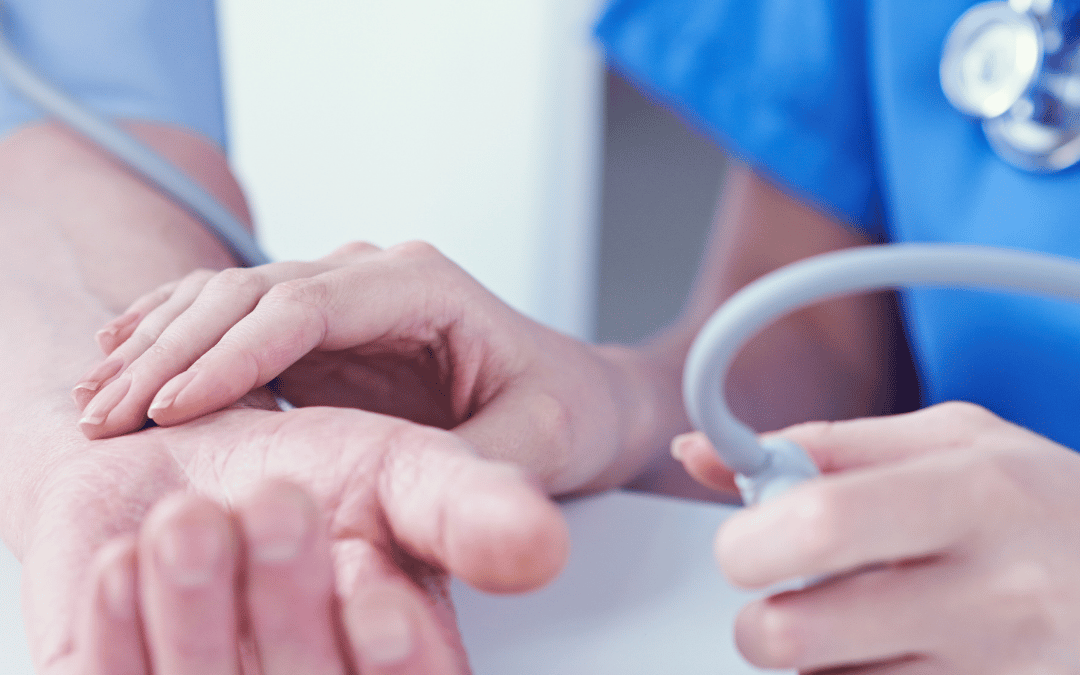
- Blood Pressure Checks: High blood pressure can lead to heart disease and stroke if left untreated. Regular checks help keep it in check.
- Cholesterol Tests: Elevated cholesterol levels are a significant risk factor for heart disease.
- Cancer Screenings: Mammograms, colonoscopies, and Pap smears can help detect certain types of cancer early.
- Blood Sugar Tests: Screening for diabetes or prediabetes helps prevent complications.
- Vision and Hearing Tests: Detect issues early, especially as you age, to maintain overall health.
- Skin Checks: Regular dermatological exams can help detect skin cancer, especially if you have a history of sun exposure.
When Should You Start Getting Health Screenings?
It’s never too early to begin regular health screenings, especially if you have a family history of certain conditions. Typically, adults should start getting regular checkups in their late 20s or early 30s, with more frequent screenings as they age. Your healthcare provider can help determine the right schedule for you based on your individual risk factors.
How Health Screenings Can Save Lives
Consider the following examples where early detection through screenings saved lives:
- Breast Cancer: Regular mammograms can detect breast cancer at an early stage when it’s most treatable.
- Colon Cancer: Colonoscopies can detect colon cancer early, leading to better survival rates and easier treatment.
- Diabetes: Early blood sugar tests can detect prediabetes, giving you time to reverse the condition through diet and exercise before it turns into type 2 diabetes.
These examples demonstrate how regular health screenings can have life-changing effects by catching diseases early and allowing for timely interventions.
Take Control of Your Health
By committing to regular health screenings, you’re taking charge of your long-term health outcomes. Prevention and early detection are your best tools for staying healthy, living longer, and avoiding serious illnesses.
At Dr. Bianca Le Roux’s practice, we prioritize preventive healthcare to ensure you’re on the path to optimal well-being. Whether you’re due for your next screening or unsure which tests are right for you, we’re here to guide you through the process and help you stay healthy for years to come.
Book Your Health Screening Today
Don’t wait for symptoms to appear—schedule your regular health screening with us today! Together, we’ll take the first step towards a healthier, longer life.
📞 Call or WhatsApp: +27 68 111 5891
📧 Email: info@drbiancaleroux.co.za